Healthcare is not only about doctors, nurses, and advanced medical technology—it also depends on efficient management to ensure quality patient care and smooth hospital operations. This is where hospital administration plays a vital role. From managing healthcare teams and hospital resources to improving patient experiences and maintaining regulatory compliance, hospital administrators are the backbone of every healthcare institution. If you're considering a career in healthcare management or planning to pursue a hospital administration course, this guide explains what hospital administration is, its key roles and responsibilities, available academic pathways such as a Diploma in Hospital Administration or a 6-month course in Hospital Administration, and why this profession continues to grow in today's evolving healthcare industry.
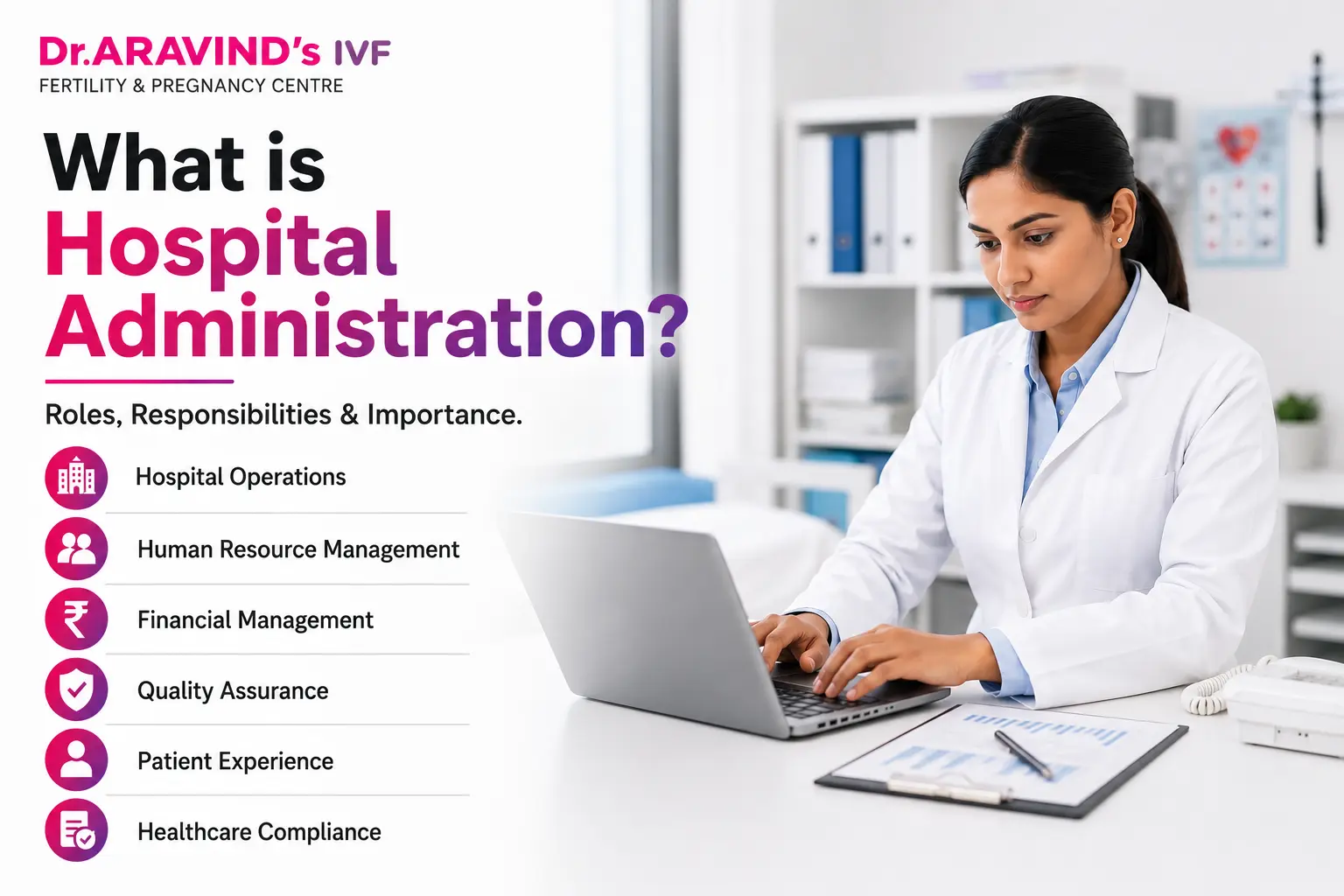
Hospital administration is the process of planning, organizing, directing, and managing the daily operations of hospitals and healthcare facilities. It ensures that medical services are delivered efficiently while maintaining high standards of patient care, safety, and operational excellence. Hospital administrators coordinate different departments, manage healthcare professionals, oversee financial planning, ensure compliance with healthcare regulations, and implement policies that improve healthcare outcomes.
Whether it's a multispecialty hospital, diagnostic centre, or the Best IVF centre in India, effective hospital administration helps healthcare organizations provide timely, safe, and patient-focused services.
Modern hospitals are complex organizations that require professional management alongside clinical expertise.
Hospital administration helps to:
Without effective administration, even the best medical facilities may struggle to deliver quality healthcare services.
Hospital administrators perform a wide range of management and leadership responsibilities.
| Responsibility | Description |
|---|---|
| Hospital Operations | Oversee day-to-day hospital activities |
| Human Resource Management | Coordinate recruitment, staffing, and employee development |
| Financial Management | Prepare budgets and monitor operational costs |
| Quality Assurance | Maintain healthcare quality standards |
| Patient Experience | Improve service quality and patient satisfaction |
| Healthcare Compliance | Ensure adherence to healthcare regulations |
| Technology Management | Support the implementation of hospital information systems |
| Strategic Planning | Develop long-term growth strategies |
Their role combines healthcare knowledge with leadership, communication, and management skills.
A hospital administration course prepares students with the knowledge and practical skills needed to manage hospitals, clinics, diagnostic centres, and other healthcare organizations. The curriculum typically combines healthcare management principles with business administration, enabling graduates to handle administrative, operational, and strategic responsibilities.
Common Subjects Covered
Many institutions also include internships and practical exposure to hospital environments.
A Diploma in Hospital Administration is an excellent option for students and working professionals who want to develop healthcare management skills within a shorter duration.
| Course Feature | Details |
|---|---|
| Programme | Diploma in Hospital Administration |
| Course Level | Diploma |
| Eligibility | 10+2 or Graduation (varies by institution) |
| Duration | 1 Year (typically) |
| Learning Mode | Full-time / Online / Hybrid |
| Career Options | Hospital Administrator, Healthcare Executive, Operations Coordinator |
The diploma focuses on practical management skills required in healthcare organizations.
Many institutions also offer a 6-month course in Hospital Administration designed for healthcare professionals seeking skill enhancement.
These short-term programmes generally cover:
Such programmes are ideal for professionals looking to upgrade their knowledge without enrolling in a long-term course.
Understanding the distinction between hospital administration and clinical care helps students choose the right career path.
| Hospital Administration | Clinical Care |
|---|---|
| Focuses on hospital management | Focuses on patient treatment |
| Manages operations and resources | Provides direct medical care |
| Oversees healthcare systems | Diagnoses and treats patients |
| Works with multiple departments | Works directly with patients |
| Leadership and management role | Clinical and medical role |
Both functions work together to ensure quality healthcare delivery.
Healthcare management continues to evolve with technological advancements and changing patient expectations.
Some emerging trends include:
| Trend | Impact |
|---|---|
| Artificial Intelligence | Improves operational efficiency and decision-making |
| Digital Health Records | Enhances patient data management |
| Telemedicine Integration | Expands access to healthcare services |
| Healthcare Analytics | Supports evidence-based management |
| Smart Hospital Technologies | Improves workflow automation |
| Sustainability Initiatives | Promotes environmentally responsible healthcare |
Hospital administrators increasingly rely on technology to improve healthcare quality and organizational performance.
Hospital administration has become one of the fastest-growing fields within healthcare management.
Some notable trends include:
These developments demonstrate the growing importance of hospital administration in modern healthcare systems.
Successful hospital administrators possess a combination of technical knowledge and leadership abilities.
Important skills include:
Developing these skills prepares professionals for leadership roles in healthcare organizations.
Graduates of a hospital administration course can work in various healthcare settings, including:
Experienced professionals may progress into senior management and leadership positions.

Hospital administration is a vital part of the healthcare system, ensuring hospitals and healthcare organizations operate efficiently while delivering quality patient care. As healthcare services continue to expand and adopt new technologies, skilled administrators play an increasingly important role in managing operations, improving patient experiences, and supporting clinical teams. Whether you choose a hospital administration course, a Diploma in Hospital Administration, or a 6-month course in Hospital Administration, gaining the right education and practical knowledge can help you build a strong foundation in healthcare management.

Hospital administration involves managing hospital operations, healthcare staff, finances, patient services, and overall organizational performance.
Eligibility varies by institution. Many programmes accept students after 10+2, while postgraduate courses generally require a bachelor's degree.
Yes. Diploma programmes provide practical knowledge of healthcare management and prepare students for administrative roles in healthcare organizations.
Short-term courses are suitable for professionals seeking to enhance their management skills or gain foundational knowledge of hospital administration.
They can work in hospitals, specialty clinics, diagnostic centres, healthcare organizations, insurance companies, and public health institutions.


